

Shaping Behaviours,
Driving Change
About Us
About Us
About Us
Where Policy Meets Human Behaviour
Where Policy Meets Human Behaviour
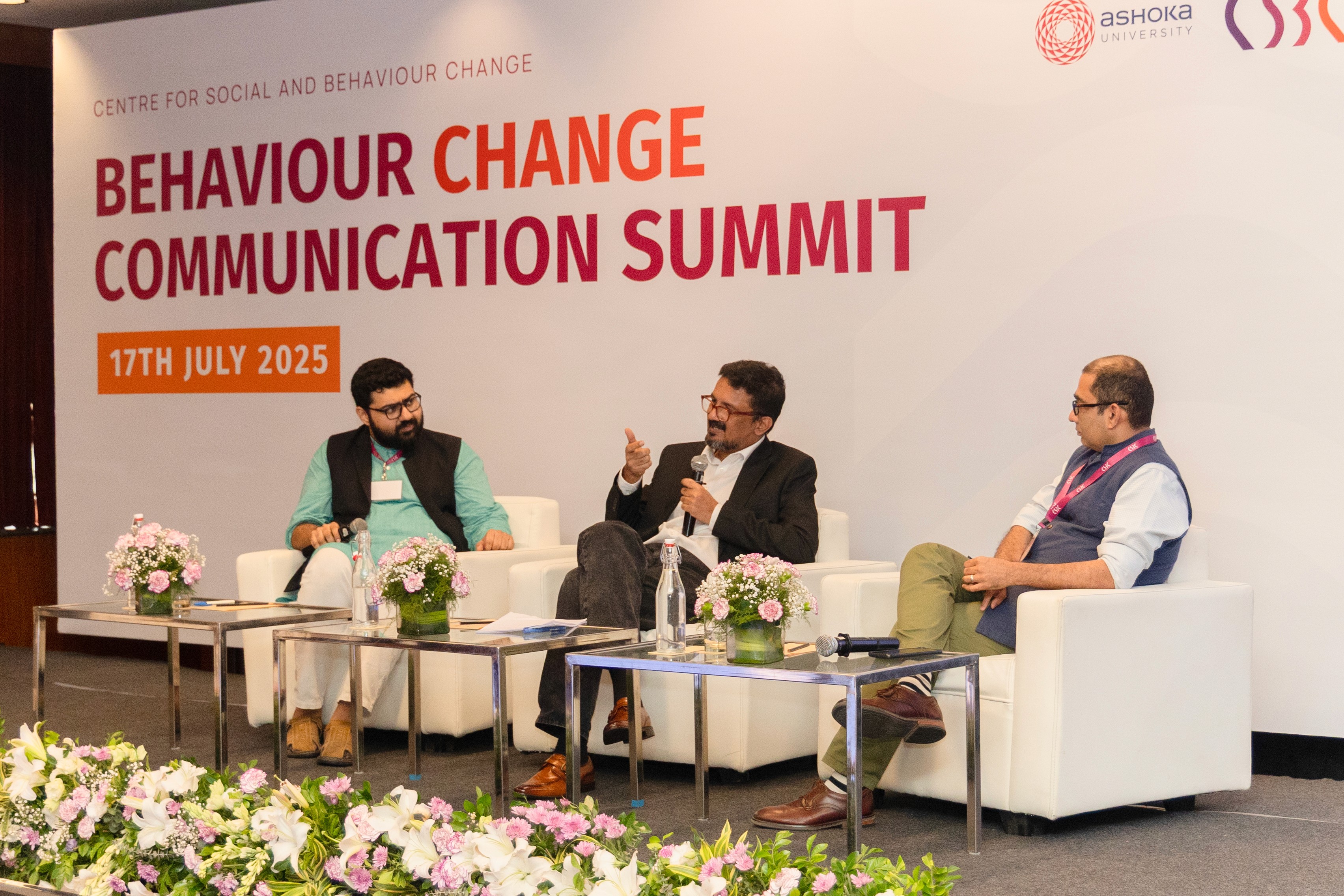
At the Centre for Social and Behaviour Change (CSBC) at Ashoka University, we integrate behavioural science with research, policy, and delivery to drive meaningful real-world outcomes. Our approach is comprehensive: we study behaviour in context, diagnose challenges on the ground, design effective policies and services, shape public communication, and build institutional capacity. This end-to-end application of behavioural science ensures that good intentions translate into widespread uptake and lasting impact.
Spotlight Projects
Spotlight Projects
Spotlight Projects
Science-backed solutions for real world problems
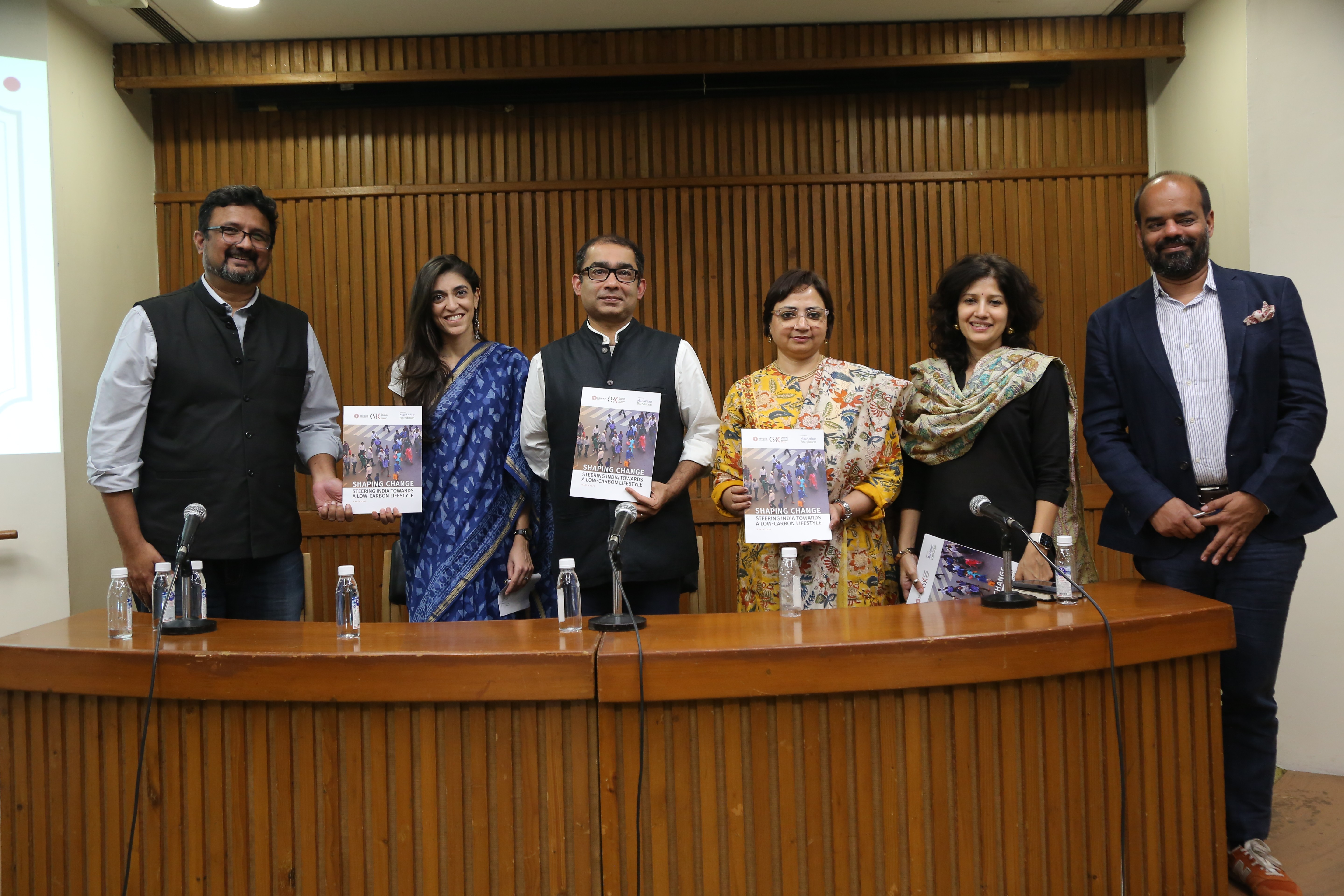
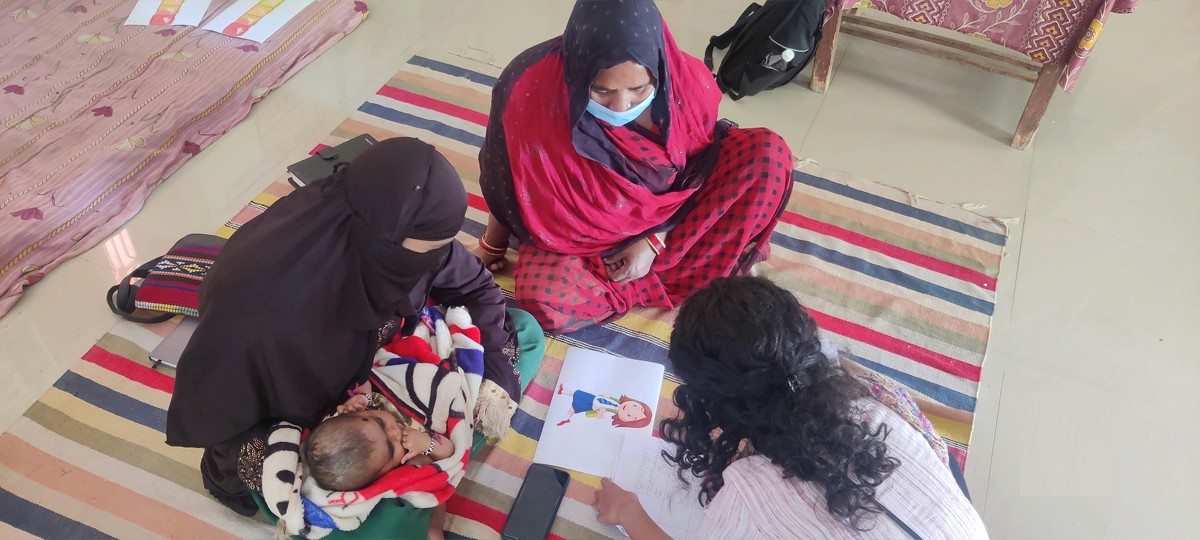
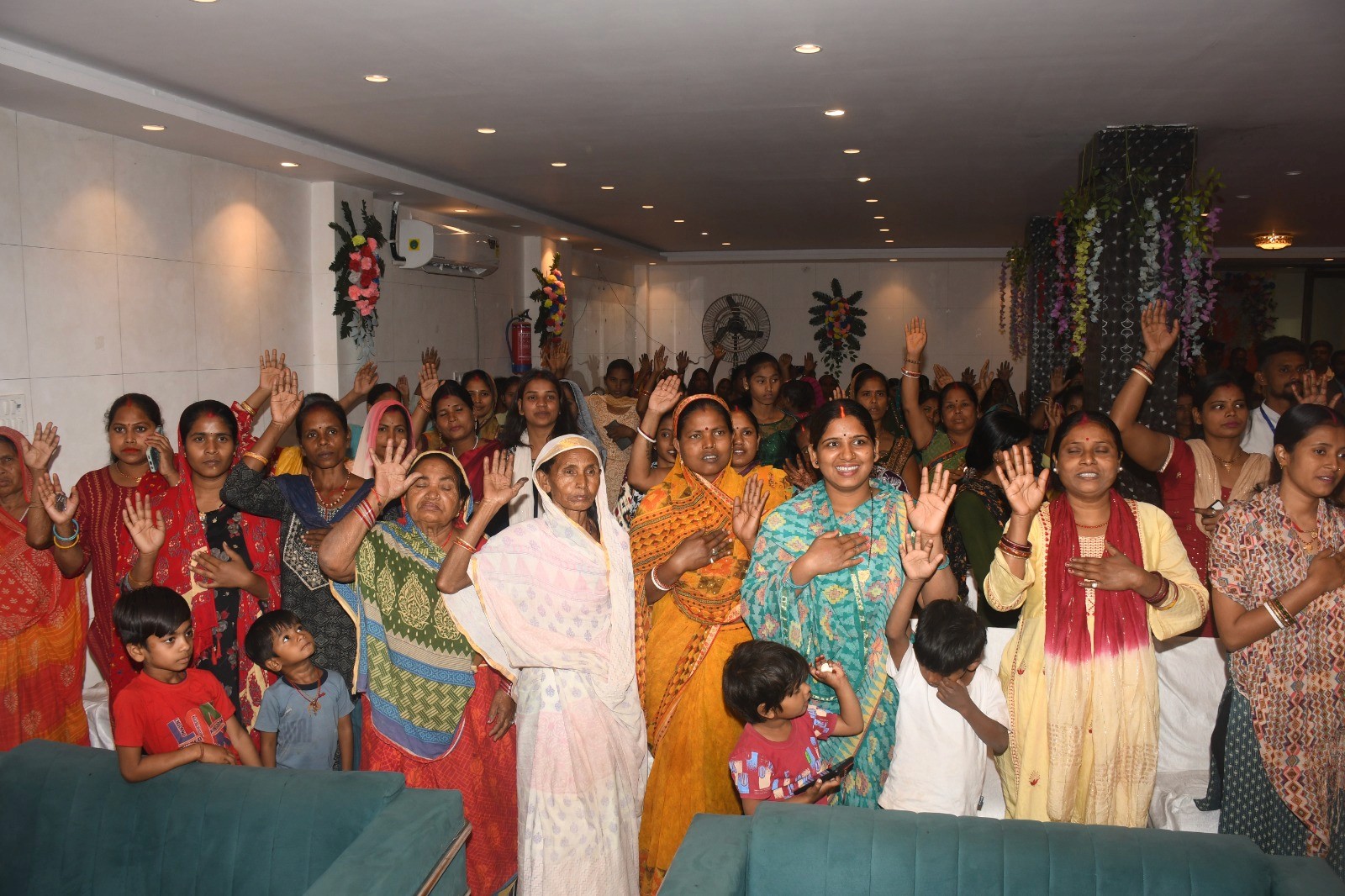
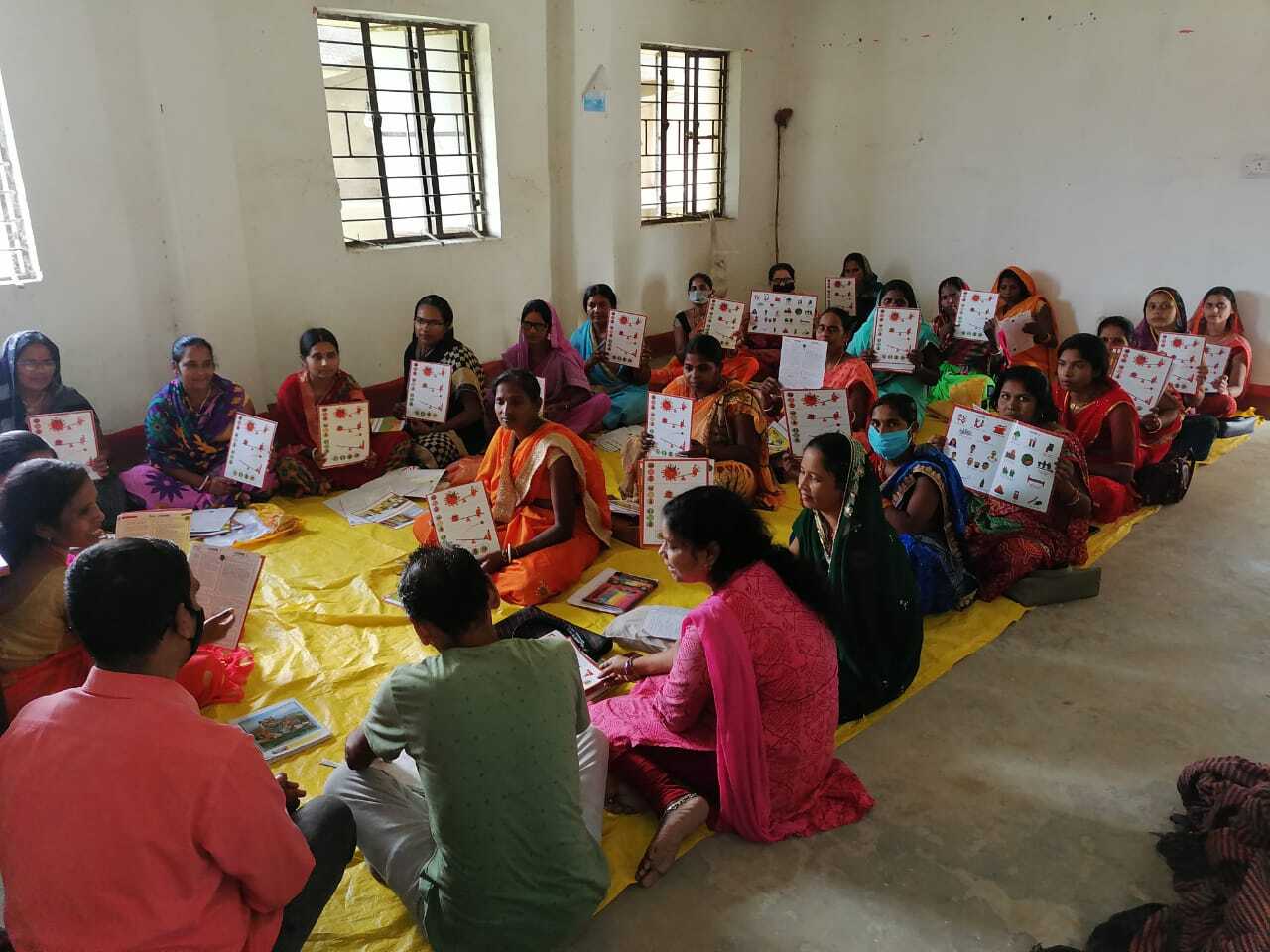


Research
Research
Research
Behavioural evidence, built for scale

Publication
Journal of Legal Analysis
Judges in the Lab: No Precedent Effects, No Common/Civil Law Differences
Holger Spamann, Lars Klöhn, Charles Jamin, Varun Khanna, J.Z. Liu, Pavan Mamidi, Alex Morell, Ingo Reidel
This paper examines judicial decision-making through controlled experiments, finding no evidence of precedent effects or systematic differences between common and civil law judges. The results challenge long-standing assumptions about how legal traditions shape judicial behaviour.
Publication
Journal of Legal Analysis
Judges in the Lab: No Precedent Effects, No Common/Civil Law Differences
Holger Spamann, Lars Klöhn, Charles Jamin, Varun Khanna, J.Z. Liu, Pavan Mamidi, Alex Morell, Ingo Reidel
This paper examines judicial decision-making through controlled experiments, finding no evidence of precedent effects or systematic differences between common and civil law judges. The results challenge long-standing assumptions about how legal traditions shape judicial behaviour.
Publication
Journal of Legal Analysis
Judges in the Lab: No Precedent Effects, No Common/Civil Law Differences
Holger Spamann, Lars Klöhn, Charles Jamin, Varun Khanna, J.Z. Liu, Pavan Mamidi, Alex Morell, Ingo Reidel
This paper examines judicial decision-making through controlled experiments, finding no evidence of precedent effects or systematic differences between common and civil law judges. The results challenge long-standing assumptions about how legal traditions shape judicial behaviour.
Publication
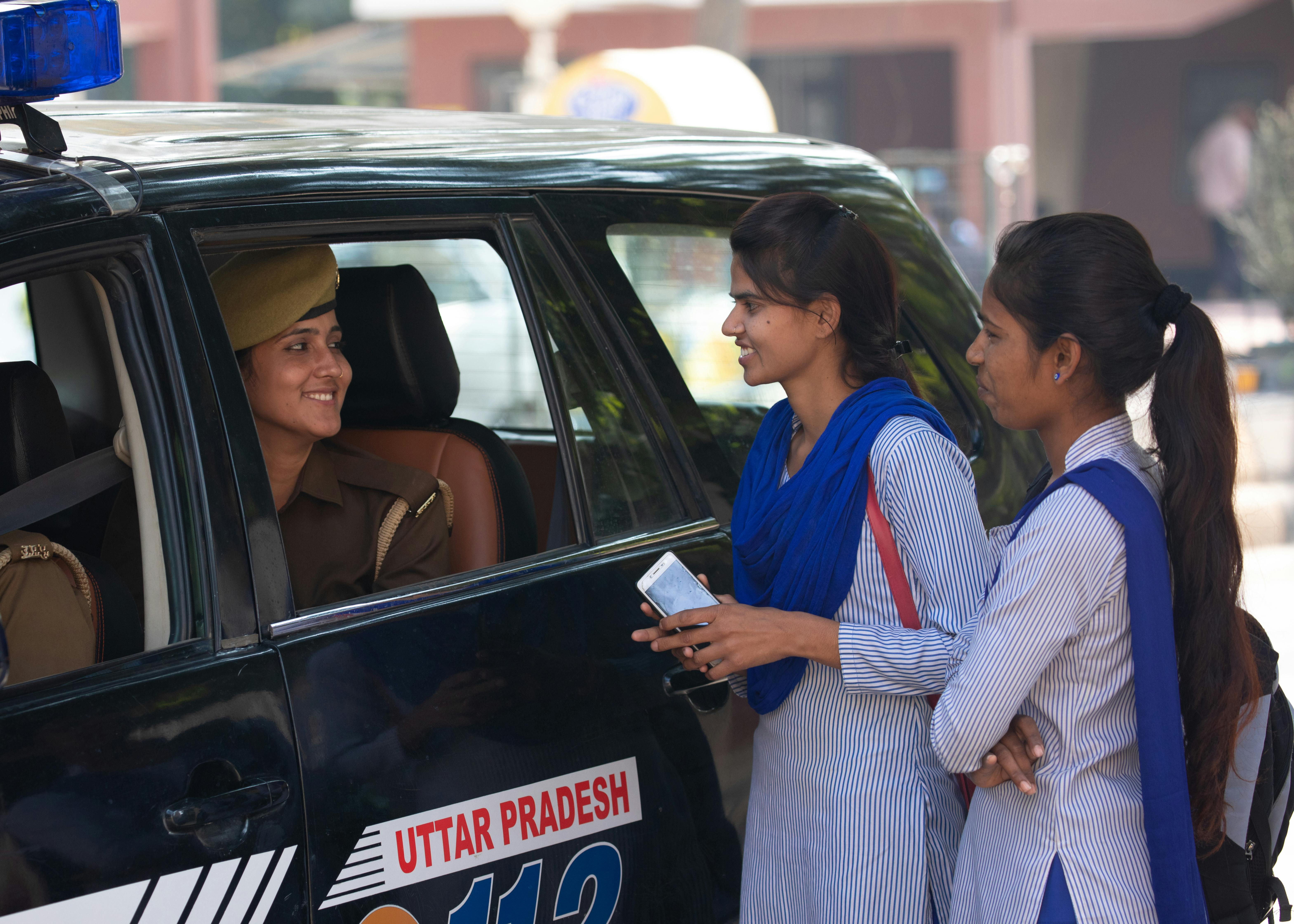
Comparative Political Studies
Do Women Prefer In-Group Police Officers? Survey and Experimental Evidence from India
Nirvikar Jassal, Sharon Barnhardt
Using survey and experimental evidence from India, this study explores whether women prefer police officers from their own social group. Findings offer nuanced insights into trust, representation, and institutional design within law enforcement.
Publication
Comparative Political Studies
Do Women Prefer In-Group Police Officers? Survey and Experimental Evidence from India
Nirvikar Jassal, Sharon Barnhardt
Using survey and experimental evidence from India, this study explores whether women prefer police officers from their own social group. Findings offer nuanced insights into trust, representation, and institutional design within law enforcement.
Publication
Comparative Political Studies
Do Women Prefer In-Group Police Officers? Survey and Experimental Evidence from India
Nirvikar Jassal, Sharon Barnhardt
Using survey and experimental evidence from India, this study explores whether women prefer police officers from their own social group. Findings offer nuanced insights into trust, representation, and institutional design within law enforcement.
Publication
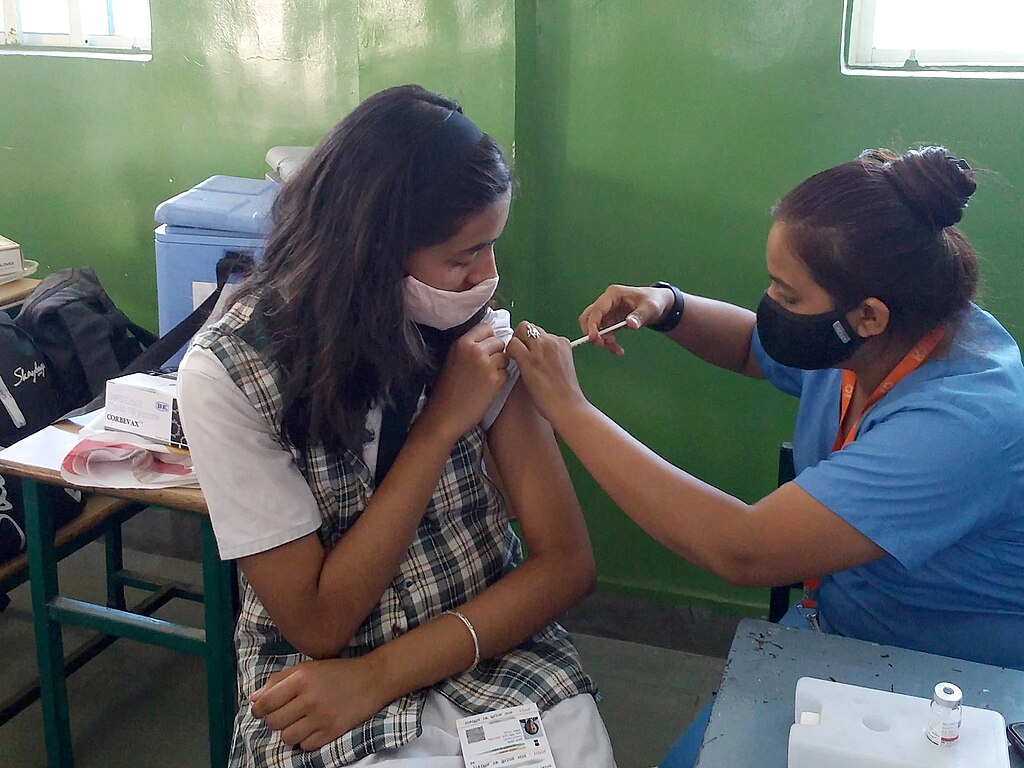
Scientific Reports (Nature)
Promote to Protect: Data-Driven Computational Model of Peer Influence for Vaccine Perception
Sayantari Ghosh, Saumik Bhattacharya, Shagata Mukherjee, Sujoy Chakravarty
This paper models vaccine acceptance as a contagion process, using NLP and machine-learning techniques on survey data from India to identify how peer influence and threshold dynamics shape vaccine perception and hesitancy.
Publication
Scientific Reports (Nature)
Promote to Protect: Data-Driven Computational Model of Peer Influence for Vaccine Perception
Sayantari Ghosh, Saumik Bhattacharya, Shagata Mukherjee, Sujoy Chakravarty
This paper models vaccine acceptance as a contagion process, using NLP and machine-learning techniques on survey data from India to identify how peer influence and threshold dynamics shape vaccine perception and hesitancy.
Publication
Scientific Reports (Nature)
Promote to Protect: Data-Driven Computational Model of Peer Influence for Vaccine Perception
Sayantari Ghosh, Saumik Bhattacharya, Shagata Mukherjee, Sujoy Chakravarty
This paper models vaccine acceptance as a contagion process, using NLP and machine-learning techniques on survey data from India to identify how peer influence and threshold dynamics shape vaccine perception and hesitancy.

Publication
Educational Studies
Improving Parental Engagement in Foundational Literacy and Numeracy Learning
Sneha Shashidhara, Pavan Mamidi, Gaurav Gupta, Deepa Radhakrishnan
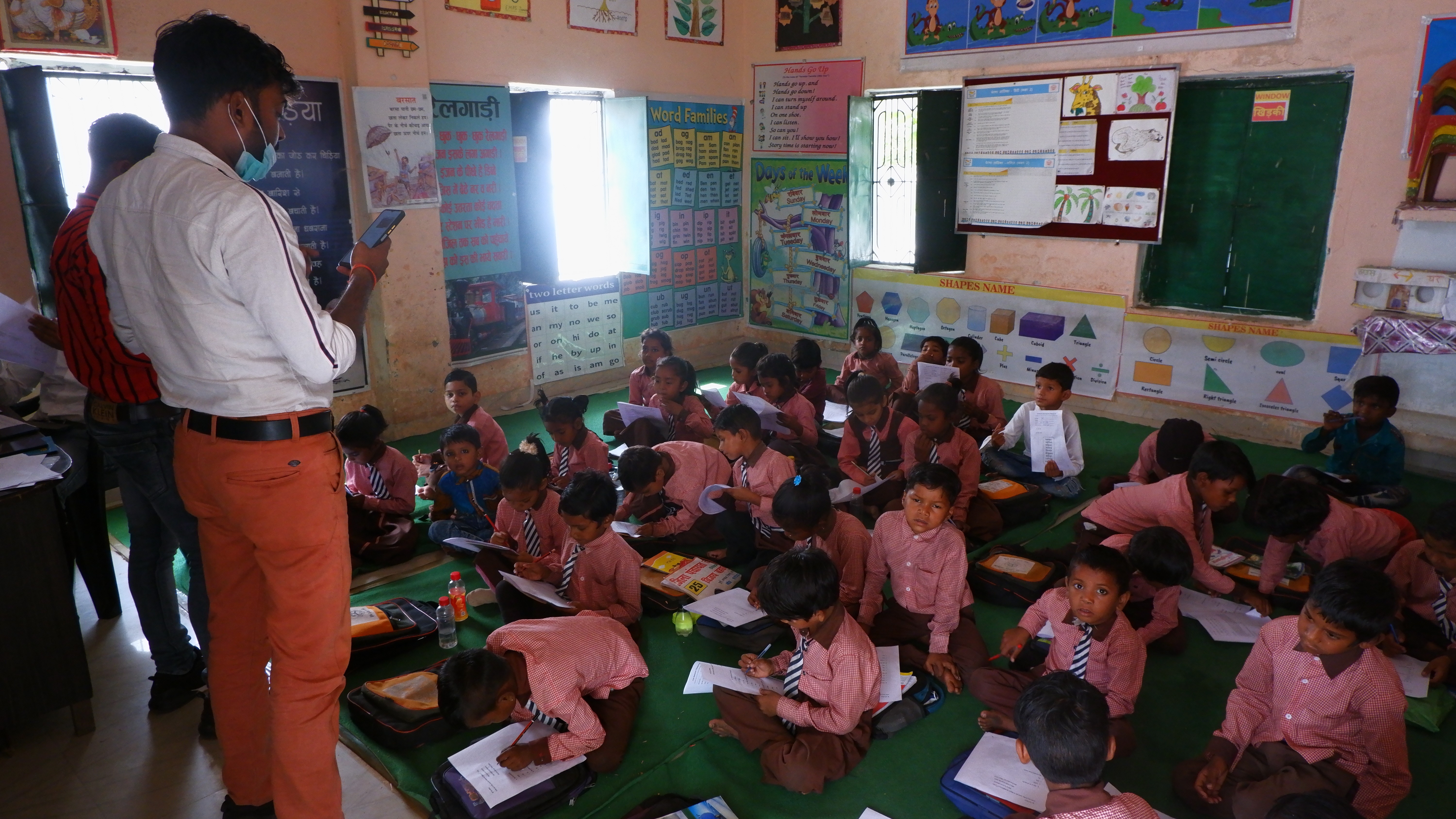
This study examines strategies to improve parental engagement in early literacy and numeracy learning, highlighting how behavioural interventions can strengthen learning outcomes in foundational education contexts.
Publication
Educational Studies
Improving Parental Engagement in Foundational Literacy and Numeracy Learning
Sneha Shashidhara, Pavan Mamidi, Gaurav Gupta, Deepa Radhakrishnan
This study examines strategies to improve parental engagement in early literacy and numeracy learning, highlighting how behavioural interventions can strengthen learning outcomes in foundational education contexts.
Publication
Educational Studies
Improving Parental Engagement in Foundational Literacy and Numeracy Learning
Sneha Shashidhara, Pavan Mamidi, Gaurav Gupta, Deepa Radhakrishnan
This study examines strategies to improve parental engagement in early literacy and numeracy learning, highlighting how behavioural interventions can strengthen learning outcomes in foundational education contexts.
Areas of Expertise
Areas of Expertise
Areas of Expertise
We work with multiple stakeholders across the key sectors



Health
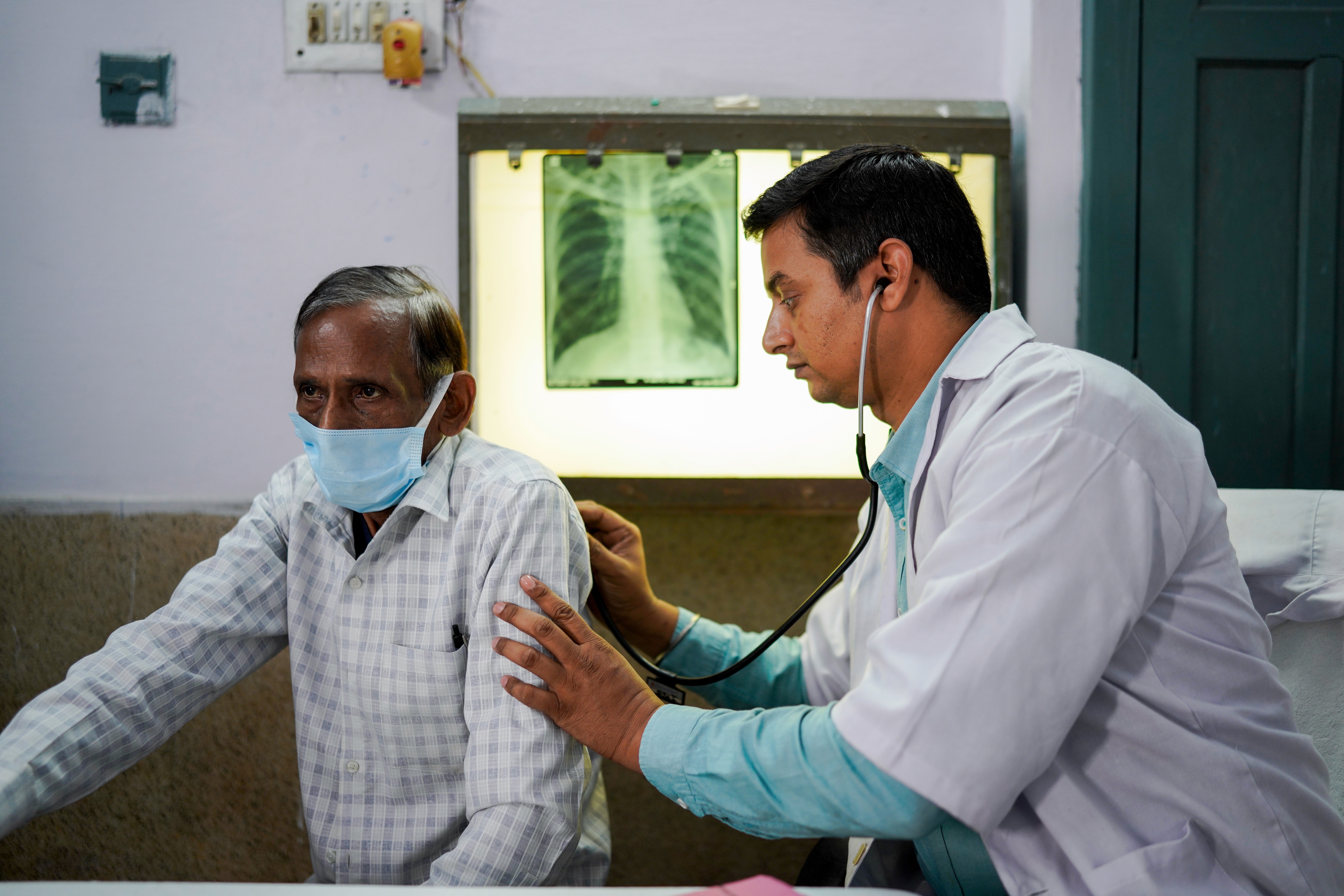
Behavioural science helps make healthier actions the default. Drawing on insights around framing, social norms, and smart defaults, our work strengthens services and communication across RMNCH+A and digital health, ensuring evidence-based practices become simple, routine choices for individuals and communities..

Climate
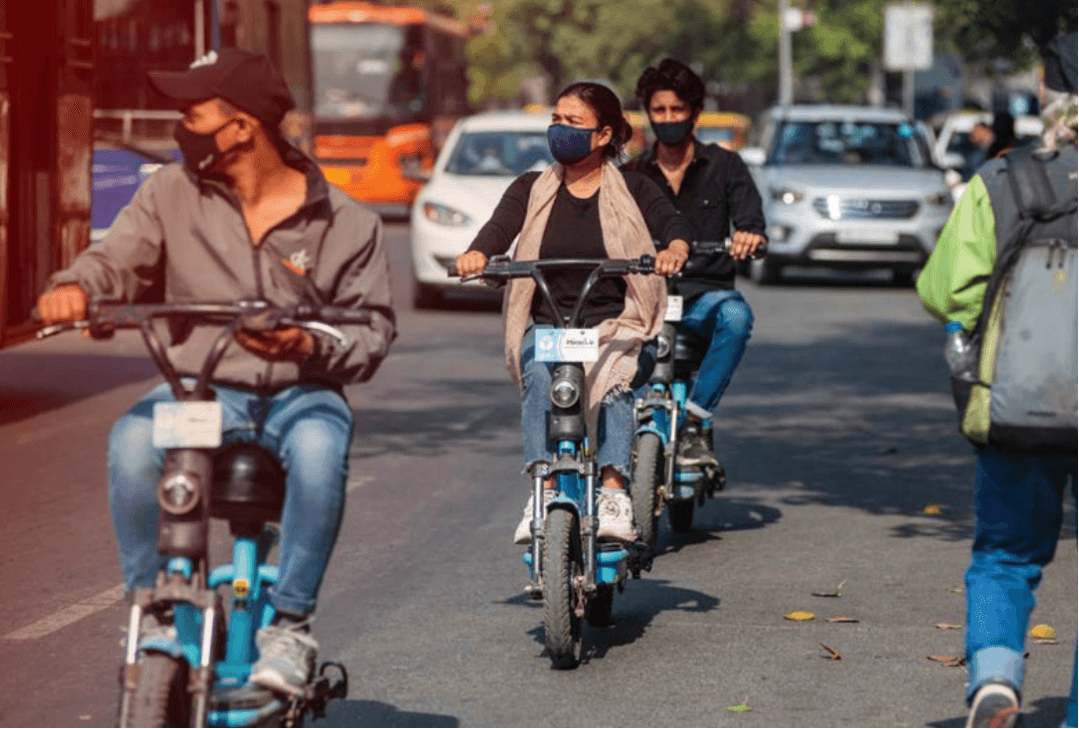
Using behavioural insights, we make sustainable behaviours visible, convenient, and rewarding. Across mobility, energy, waste, and food systems, our expertise helps institutions and communities integrate low-carbon practices into everyday decisions, supporting durable climate action.

Nutrition
Behaviourally informed routines and cues make better nutrition easier to sustain. We support families and communities to prevent anemia and improve early childhood diets by embedding healthy practices into daily life through prompts, social proof, and simplified guidance.

WASH
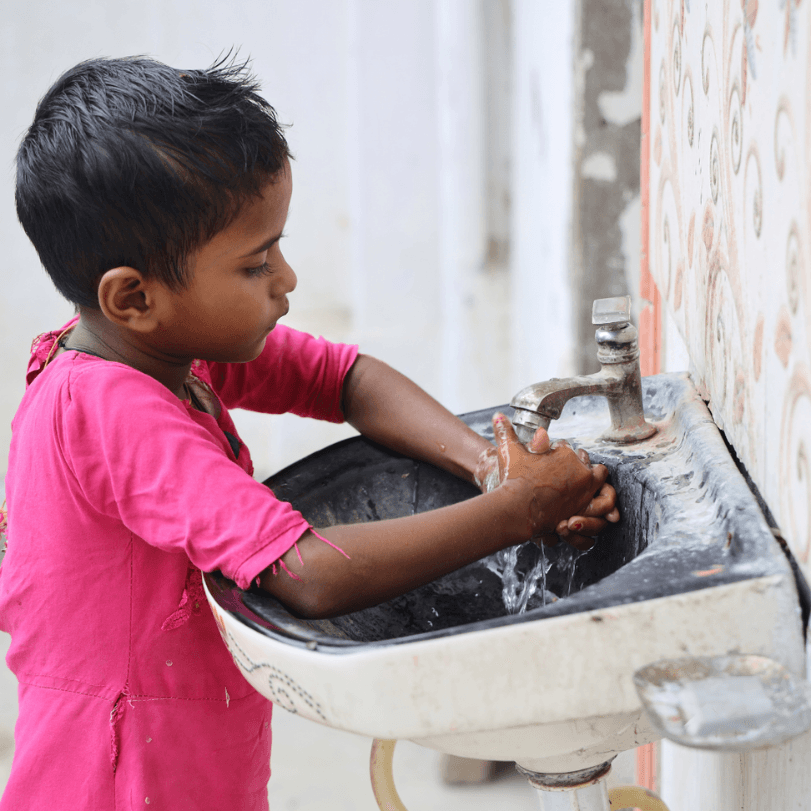
Safe water, sanitation, and hygiene become second nature when behaviourally designed. By easing friction, applying loss aversion, and offering timely feedback, our work strengthens delivery systems so clean, repeatable habits take hold at scale..

Livelihoods & Financial Inclusion
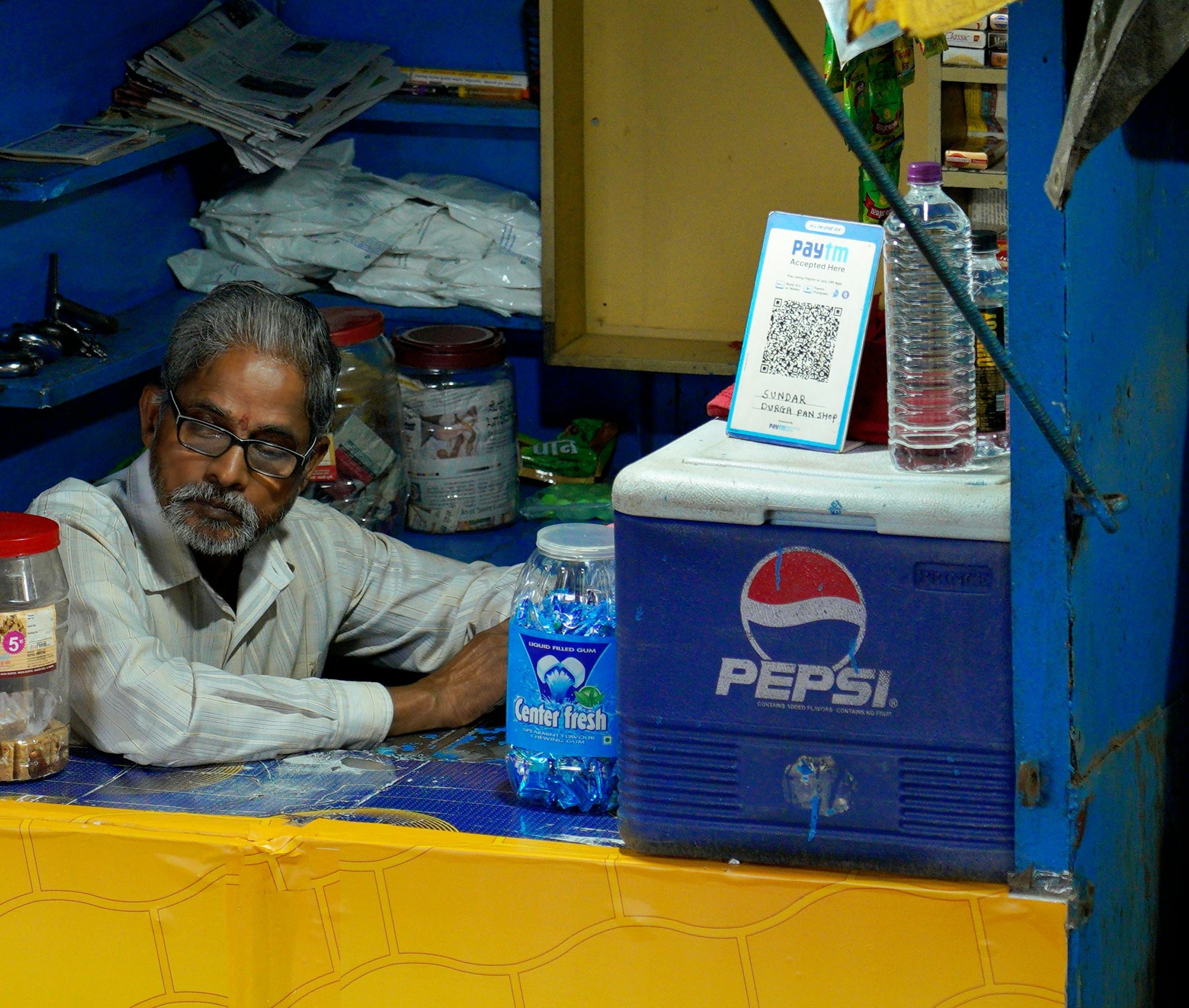
Behavioural approaches clarify incentives, reduce friction, and build confidence in financial and livelihood services. This enables people to access savings, credit, entitlements, and safer work opportunities, making support systems easier to navigate and more effective.

Capacity Building
Embedding behavioural science in public systems strengthens everyday delivery. Through Behavioural Insight Units, practical playbooks, and practitioner training, we equip teams to design, test, and scale solutions that improve services and outcomes.
Health
Behavioural science helps make healthier actions the default. Drawing on insights around framing, social norms, and smart defaults, our work strengthens services and communication across RMNCH+A and digital health, ensuring evidence-based practices become simple, routine choices for individuals and communities..
Climate
Using behavioural insights, we make sustainable behaviours visible, convenient, and rewarding. Across mobility, energy, waste, and food systems, our expertise helps institutions and communities integrate low-carbon practices into everyday decisions, supporting durable climate action.
Nutrition
Behaviourally informed routines and cues make better nutrition easier to sustain. We support families and communities to prevent anemia and improve early childhood diets by embedding healthy practices into daily life through prompts, social proof, and simplified guidance.
WASH
Safe water, sanitation, and hygiene become second nature when behaviourally designed. By easing friction, applying loss aversion, and offering timely feedback, our work strengthens delivery systems so clean, repeatable habits take hold at scale..
Livelihoods & Financial Inclusion
Behavioural approaches clarify incentives, reduce friction, and build confidence in financial and livelihood services. This enables people to access savings, credit, entitlements, and safer work opportunities, making support systems easier to navigate and more effective.
Capacity Building
Embedding behavioural science in public systems strengthens everyday delivery. Through Behavioural Insight Units, practical playbooks, and practitioner training, we equip teams to design, test, and scale solutions that improve services and outcomes.
Health
Behavioural science helps make healthier actions the default. Drawing on insights around framing, social norms, and smart defaults, our work strengthens services and communication across RMNCH+A and digital health, ensuring evidence-based practices become simple, routine choices for individuals and communities..
Climate
Using behavioural insights, we make sustainable behaviours visible, convenient, and rewarding. Across mobility, energy, waste, and food systems, our expertise helps institutions and communities integrate low-carbon practices into everyday decisions, supporting durable climate action.
Nutrition
Behaviourally informed routines and cues make better nutrition easier to sustain. We support families and communities to prevent anemia and improve early childhood diets by embedding healthy practices into daily life through prompts, social proof, and simplified guidance.
WASH
Safe water, sanitation, and hygiene become second nature when behaviourally designed. By easing friction, applying loss aversion, and offering timely feedback, our work strengthens delivery systems so clean, repeatable habits take hold at scale..
Livelihoods & Financial Inclusion
Behavioural approaches clarify incentives, reduce friction, and build confidence in financial and livelihood services. This enables people to access savings, credit, entitlements, and safer work opportunities, making support systems easier to navigate and more effective.
Capacity Building
Embedding behavioural science in public systems strengthens everyday delivery. Through Behavioural Insight Units, practical playbooks, and practitioner training, we equip teams to design, test, and scale solutions that improve services and outcomes.
Impact Metrics
Impact Metrics
Impact Metrics
Grounded in Research, Driven by Impact
0+
0+
Completed Projects
0+
0+
Completed Projects
0+
0+
Completed Projects
0
0
States
0
0
States
0
0
States
0M+
0M+
People Reached
0M+
0M+
People Reached
0M+
0M+
People Reached
0+
0+
Stakeholders Impacted
by capacity building
0+
0+
Stakeholders Impacted
by capacity building
0+
0+
Stakeholders Impacted
by capacity building
0+
0+
Knowledge Products
including peer-reviewed articles and working papers
0+
0+
Knowledge Products
including peer-reviewed articles and working papers
0+
0+
Knowledge Products
including peer-reviewed articles and working papers
0+
0+
Partners
across government, multilateral, and non-profit sectors
0+
0+
Partners
across government, multilateral, and non-profit sectors
0+
0+
Partners
across government, multilateral, and non-profit sectors